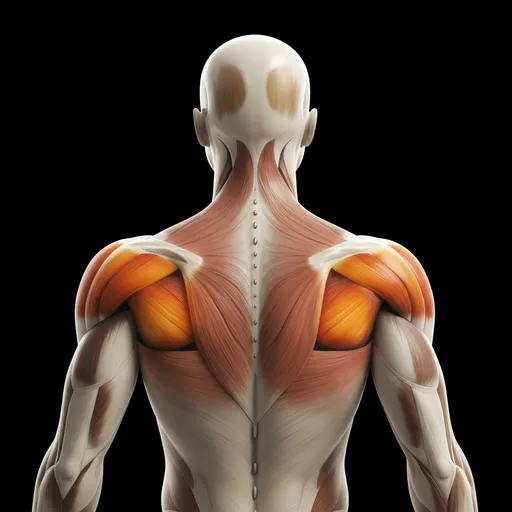
Which muscles does it train?
ShouldersCalvesGlutesHamstringsTriceps
Equipment needed
How to perform it
For strength, 3 to 5 sets of 3 to 6 reps with 2 to 3 minutes of rest are common. For hypertrophy, use 3 to 4 sets of 8 to 12 reps with 60 to 120 seconds of rest.
Execution and technique cues
- Rest the bar on your upper traps with a wide snatch grip and stand with feet in a jumping stance.
- Dip your knees slightly while keeping your torso vertical and chest up.
- Drive upward aggressively and immediately drop your body down into a deep overhead squat.
- Punch the bar overhead into a locked position and stand up fully to complete the lift.
Common mistakes
- The lifter presses the bar overhead with the arms instead of dropping the body beneath the bar.
- Foot contact with the platform is lost by jumping too high rather than sliding the feet outward.
- The lifter drops into the squat before securing a solid overhead lockout, increasing injury risk.
Frequently asked questions
- What is the difference between a snatch balance and a drop snatch?
- The snatch balance uses a dip and drive to create upward momentum, whereas the drop snatch has no dip and relies purely on speed under the bar.
- Why is the snatch balance performed?
- It builds speed, confidence, and overhead stability for catching the barbell in the snatch.
Related exercises
Start free and track it
Log this exercise in Ironstead. Free forever for athletes, no auto-renew.
Start free and track itConnect with a coach
Train with a coach? Link up in Ironstead so they write your plans and follow your progress.
Connect with a coachWrite plans as a coach
Build plans with this exercise and assign them to your athletes. 30-day trial.
Write plans as a coach